
A2M (Alpha-2-Macroglobulin) Injections
What A2M is—and how it works
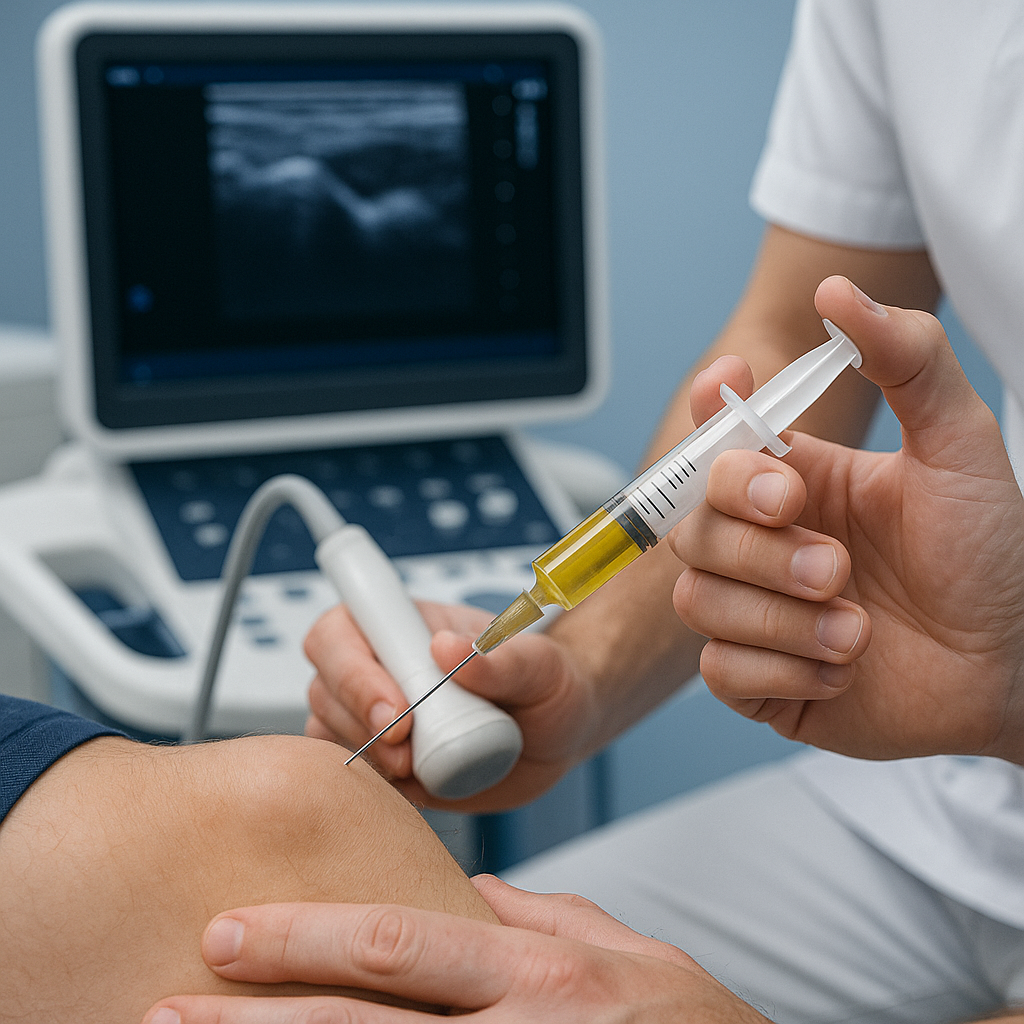
Alpha-2-macroglobulin is a broad-spectrum protease inhibitor your body already makes. In the context of an arthritic or post-injury joint, it binds degradative enzymes (think MMPs and other catabolic players) so they can’t keep irritating tissue. We concentrate A2M from your own blood (autologous) or use a prepared formulation, then place it ultrasound-guided into the joint that’s misbehaving.
Protease trapping
A2M acts like a sticky catcher’s mitt for the enzymes that accelerate cartilage breakdown. Once bound, those enzymes are neutralized.
Inflammation tone-down
With fewer “wrecking enzymes” buzzing, inflammatory signaling de-escalates. That means less warmth, less fluid, and fewer “angry joint” days.
Environment reset
A calmer chemical bath makes it easier for normal joint housekeeping to keep up. No, A2M doesn’t rebuild full-thickness cartilage, but it can protect what you have, reduce pain, and let you train the joint sensibly
We track functional metrics (uninterrupted walk time, stair count without payback, sleep quality, morning stiffness minutes). If they’re not improving, we change course—not stories.
Who it helps (and when it shines)
Early–moderate osteoarthritis (knee, hip, shoulder) with obvious inflammatory features: swelling after a longer walk, warmth after stairs, or that “puffy, tight” feeling by evening.
Post-injury joints that became chemically irritable: lingering synovitis after a sprain or meniscus irritation that flares with activity.
Imaging mismatch cases: X-ray doesn’t look terrible, but your joint acts way more inflamed than the picture suggests.
Patients who tolerate injections better than pills: If NSAIDs wreck your stomach, A2M offers a local biochemical approach.
Testimonials
Frequently Asked Questions
Is A2M the same as PRP?
No. A2M is a protease inhibitor—it neutralizes enzymes that inflame and degrade. PRP is a growth-factor concentrate—it signals tissue to repair and remodel. Sometimes we use one; sometimes we stage both, for different reasons
How soon will I feel better?
Some notice change within 2–6 weeks; others need longer, especially if the joint has been hot for months. We’ll set checkpoints so you’re never guessing.
Will it delay surgery?
For some, yes—by reducing pain and swelling enough to function better for longer. If surgery is ultimately best, nothing here “burns a bridge.