Chronic joint pain, nerve damage, sports injuries, and arthritis affect thousands in Clearwater. Yet, regenerative medicine services in Clearwater at NexGenEsis Healthcare harness the body’s healing capacity to restore function and relieve pain without surgery. This article explains what regenerative medicine entails, details stem cell and PRP therapies, explores conditions treated, outlines the patient journey, highlights why NexGenEsis Healthcare leads in non-surgical care, and describes franchise opportunities for healthcare professionals.

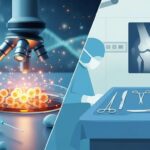
Regenerative medicine replaces, repairs, and regenerates damaged tissues using biologic therapies that activate the body’s natural repair mechanisms, enabling non-surgical pain relief and functional restoration at NexGenEsis Healthcare.
Regenerative medicine focuses on replacing lost cells, engineering healthy tissues, and modulating repair pathways to achieve durable recovery. Its primary aims include:
A clearer understanding of these principles informs how personalized therapies address the root causes and accelerate recovery.
Regenerative medicine aims to restore tissue function by stimulating local stem cells, modulating the immune response to reduce chronic inflammation, and promoting angiogenesis to enhance blood flow and healing. These principles are central to the field’s approach to repairing damaged tissues and restoring health.
Research provides a foundational understanding of the core principles that guide regenerative medicine, which aligns with this explanation of how these therapies work.
Conventional treatments often rely on symptom management or invasive surgery, whereas regenerative approaches repair underlying damage through biologic stimulation.
| Entity | Attribute | Value |
|---|---|---|
| Traditional Surgery | Invasiveness | Requires incisions, implants or grafts |
| Medication | Mechanism | Symptom suppression without tissue repair |
| Regenerative Medicine | Mechanism | Activates endogenous repair via stem cells, growth factors and platelets |
| Recovery Time Comparison | Average Duration | Surgery: 6–12 weeks; Regenerative: 1–4 weeks |
Repairing tissues rather than replacing them supports faster mobilization and less downtime for Clearwater patients.
NexGenEsis Healthcare provides three core biologics to rejuvenate musculoskeletal and nerve tissues:
These innovative non-surgical options form the foundation for personalized care plans that restore mobility and reduce chronic pain.
Stem cell therapy harnesses multipotent cells to repair joint cartilage, ligaments, and surrounding structures, providing a non-invasive alternative to joint replacement surgery.
Stem cell therapy delivers a concentrated suspension of autologous stem cells into damaged joints or soft tissues to promote repair.
This targeted approach supports cartilage regeneration, reduces inflammation, and enhances functional mobility.
Stem cell therapy addresses a range of musculoskeletal disorders and degenerative conditions:
By directly stimulating repair in each case, patients often experience sustained relief and improved range of motion.
Stem cell therapy has shown promise in repairing joint cartilage and reducing inflammation in osteoarthritis. Studies indicate that stem cells can stimulate cartilage regeneration and reduce pain, offering a potential alternative to more invasive procedures.
Research supports our claims about the benefits of stem cell therapy for joint conditions, specifically osteoarthritis, by providing evidence of its regenerative capabilities.
| Therapy | Benefit | Evidence of Value |
|---|---|---|
| Knee Replacement | Invasive procedure | 6–12 months recovery, implant risks |
| Stem Cell Therapy | Natural tissue regeneration | 4–6 weeks recovery, lower complication rate |
| Cartilage Transplant | Donor tissue required | Risk of rejection, extended rehabilitation |
| Stem Cell Therapy | Autologous cell use | Eliminates immune mismatch, stimulates native cartilage growth |
Avoiding surgical wounds and implants accelerates healing and reduces long-term complications.
NexGenEsis Healthcare tailors each stem cell regimen by assessing patient health, injury chronicity, and biochemical markers, ensuring:
Customizing protocols maximizes tissue repair and sustains pain relief over the long term.
Platelet-Rich Plasma (PRP) therapy concentrates growth factors from the patient’s blood to accelerate healing in tendons, ligaments, and muscles while reducing inflammation.
A small blood sample is drawn and spun in a centrifuge to isolate platelets and growth factors, then injected directly into injured tissue under ultrasound guidance. This process:
Within days, cellular repair cascades enhance tissue recovery without systemic side effects.
Platelet-Rich Plasma (PRP) therapy utilizes growth factors from the patient’s blood to accelerate healing in various musculoskeletal injuries. Research demonstrates that PRP can stimulate collagen synthesis and angiogenesis, leading to improved tissue repair and reduced recovery times.
Research validates our discussion of PRP therapy by highlighting its effectiveness in treating sports injuries and chronic pain through the stimulation of natural healing processes.
This versatility makes PRP a cornerstone of non-surgical pain management in Clearwater.
Harnessing platelets’ growth factors accelerates healing while preserving tissue integrity.
Regenerative medicine restores function across a spectrum of chronic conditions by repairing damaged joints, nerves and soft tissues.
By delivering stem cells or PRP to arthritic or overused joints, regenerative therapies:
Patients often return to daily activities with reduced stiffness and sustained comfort, bypassing long recovery periods.
Restoring nerve integrity improves sensation, reduces neuropathic pain, and prevents further degeneration.
Osteoarthritis and rheumatoid arthritis benefit from targeted regenerative protocols:
This dual approach addresses both structural damage and underlying inflammatory processes.
These innovations push the boundaries of tissue regeneration and shorten recovery timelines for athletes.
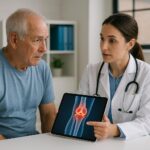
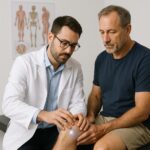
Beginning with a free consultation at NexGenEsis Healthcare, the patient journey emphasizes thorough assessment, transparent planning and guided recovery.
During the complimentary evaluation, experts conduct:
This transparent process empowers patients to choose non-surgical solutions aligned with their goals.
This sequence ensures consistent gains and minimal downtime, guiding patients to sustainable outcomes.
Patients frequently seek clarity on safety, expected timelines, eligibility criteria and cost transparency. NexGenEsis Healthcare addresses these concerns by explaining biologic sourcing protocols, typical recovery milestones, candidacy assessments and flexible financing options, ensuring informed decisions and peace of mind.
NexGenEsis Healthcare leads non-surgical pain relief in Clearwater by combining advanced biologics, personalized protocols and community-focused care for superior outcomes.
Our team integrates patient-specific factors—age, health status, injury chronicity and lifestyle—into each protocol, tailoring cell doses, adjunct therapies and rehabilitation plans to maximize repair potential and functional recovery.
With board-certified experts, state-of-the-art imaging, on-site cell processing and ongoing research partnerships, NexGenEsis Healthcare delivers evidence-driven therapies that outperform conventional treatments in safety, efficacy and efficiency.
By leveraging autologous biologics, ultrasound-guided injections and integrated physical therapy, our protocols reduce inflammation, accelerate tissue regeneration and restore function within 1–4 weeks, enabling patients to resume daily and athletic activities sooner.
As active participants in local health fairs, athletic sponsorships and educational seminars, NexGenEsis Healthcare fosters community well-being and awareness of regenerative options, cultivating trust and health empowerment across Clearwater.
NexGenEsis Healthcare in Clearwater revolutionizes non-surgical pain relief through advanced regenerative medicine, offering personalized therapies that harness the body’s natural healing abilities. Patients can experience significant improvements in mobility and pain management without the need for invasive procedures. For those interested in transforming their health or exploring franchise opportunities, NexGenEsis provides the expertise and support necessary for success. Discover how our innovative solutions can enhance your well-being Today.
The recovery time for regenerative medicine therapies varies depending on the specific treatment and individual patient factors. Generally, patients can expect to resume normal activities within 1 to 4 weeks after procedures like stem cell or PRP therapy. This is significantly shorter compared to traditional surgical options, which may require 6 to 12 weeks for recovery. The personalized nature of regenerative treatments often leads to quicker healing and less downtime, allowing patients to return to their daily routines sooner.
The duration of benefits from regenerative medicine treatments can vary widely among patients and depends on several factors, including the type of therapy, the condition being treated, and individual healing responses. Many patients report lasting relief from pain and improved function for several months to years following treatment. Regular follow-up assessments can help monitor progress and determine if additional treatments are necessary to maintain optimal results.
Yes, regenerative medicine therapies can often be combined with other treatments to enhance overall effectiveness. For instance, physical therapy may be integrated into the recovery process to improve strength and mobility after a regenerative procedure. Additionally, adjunct therapies such as anti-inflammatory medications or lifestyle modifications can support healing. It is crucial for patients to work closely with their healthcare providers to develop a comprehensive treatment plan tailored to their specific needs.