High-performance athletes need recovery strategies that restore tissue quickly, limit downtime, and protect long-term function. This article breaks down how stem cell therapy for sports injuries works, why mesenchymal stem cell (MSC) and BMAC approaches can speed healing, which injuries show the best results, and what to expect during a supervised recovery plan. You’ll get a clear, practical view of the biology—differentiation potential, paracrine signaling, and inflammation control—that translates into faster return-to-play and stronger tissue. We map outcomes for common problems like ACL injuries, meniscal tears, rotator cuff issues, and chronic tendinopathy, compare regenerative options such as PRP and BMAC to help determine candidacy, and explain safety, realistic timelines, and how an athlete in Honolulu can access personalized, non-surgical care at a local regenerative clinic. The goal is actionable understanding: how regenerative orthopedics can shorten rehab, reduce pain, and extend athletic longevity.
Discover how personalized stem cell therapy can help you return to peak performance faster. Schedule a free consultation with our specialists at NexGenEsis Healthcare in Honolulu, Hawaii.
Stem cell therapy for sports recovery centers on using living cells and biologics to promote tissue repair, tune down inflammation, and restore function. In practice, regenerative medicine applies concentrated cells to injured ligaments, tendons, cartilage, or nerves to speed structural repair and limit scar formation. Athletes benefit when these treatments let them hit rehab milestones sooner, feel less pain, and regain mechanics that lower re-injury risk. Below, we explain the mechanisms, outline common therapy types used in sports medicine, identify injuries with the best clinical rationale, summarize athlete-focused benefits, review safety and recovery expectations, and describe how a Honolulu clinic builds individualized plans.
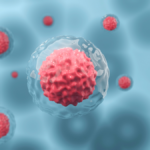
Stem cell therapy delivers progenitor cells that either become specific tissue cells or, more often, release trophic factors that guide the body’s own repair—speeding healing and restoring function. Two complementary actions drive results: direct differentiation when cells integrate into tissue, and paracrine signaling where cells secrete growth factors, cytokines, and extracellular vesicles at the injury site. Together, these effects reduce local inflammation, recruit resident repair cells, and support matrix remodeling so athletes can progress through rehabilitation sooner. Modern practice emphasizes image-guided injections and appropriate adjunct biologics to focus delivery and improve functional outcomes. Grasping these mechanisms helps when comparing MSC, BMAC, and allied therapies in sports medicine.
Stem cell approaches are best viewed as specific mechanisms that tie directly to athlete outcomes. The next section explains MSC actions in clear terms and links them to measurable recovery benefits.
Mesenchymal stem cell (MSC) therapy drives healing mostly through paracrine signaling—releasing growth factors, chemokines, and extracellular vesicles that modulate inflammation, encourage new blood vessel growth, and recruit the body’s own repair cells. Rather than replacing large volumes of tissue, MSCs create a regenerative microenvironment that calms chronic inflammation and supports matrix repair in tendons, ligaments, and cartilage. They also have immunomodulatory effects that reduce pain and dampen catabolic processes, which helps athletes tolerate earlier, progressive loading during physical therapy. Clinically, these mechanisms often show up as less swelling, faster pain relief, and improved function when paired with a guided rehab plan.
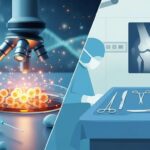
Sports medicine uses several cell-based and cell-enriched approaches, each with different sourcing and processing steps that shape candidacy and expected outcomes. Autologous MSC therapies use a patient’s own mesenchymal cells harvested from bone marrow or adipose tissue and concentrated for injection—an approach with strong safety and immune compatibility. Bone marrow aspirate concentrate (BMAC) captures a mixed group of progenitor cells and growth factors and is commonly used for cartilage and bone-related issues. Allogeneic and placental/umbilical sources are available in select cases, usually when autologous harvest isn’t appropriate. Adjuncts like PRP or exosome-rich preparations are often combined with MSCs or BMAC to boost growth-factor signaling and support scaffold-driven repair.
Stem cell interventions have the clearest rationale for athletic injuries where inflammation, limited blood supply, or degenerative change hinder spontaneous repair. Typical candidates include focal cartilage defects, chronic tendinopathy, partial ligament tears, and early degenerative joint changes that have not improved with conservative care. Treatment choice depends on tissue type, how long the injury has been present, and sport-specific demands; unstable or complex injuries may still need surgery. Below is a concise list of common athletic problems that often benefit from regenerative approaches and the clinical outcome you can reasonably expect.
To clarify expected effects and candidacy across conditions, the table below maps common injuries to typical outcomes and selection notes.
This mapping helps athletes and clinicians weigh regenerative options alongside surgical and conservative paths to make shared, goal-focused decisions.
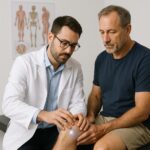
For knee problems, stem cell therapies aim to reduce inflammation, support the joint matrix, and preserve or regenerate cartilage and meniscal tissue to improve load distribution. In early osteoarthritis and focal cartilage lesions, BMAC or MSC injections can reduce pain and improve function—sometimes deferring arthroplasty. For ACL pathology, regenerative injections may support healing in partial tears or be used alongside biologic augmentation after repair, helping restore proprioception and shock absorption. Recovery plans use staged rehabilitation: a protected period followed by progressive loading, with athletes often moving faster through early functional milestones once inflammation is controlled. Measurable pain and functional gains can appear within weeks to months, but candidacy must always be individualized to injury severity and sport demands.
Tendons and ligaments respond to stem cell therapy mainly through signaling that promotes collagen synthesis, limits matrix breakdown, and improves vascular support. Chronic tendinopathy—where normal healing has failed—is a logical target for MSC or cell-enriched injections that re-establish a regenerative environment. Clinical series report reduced pain, improved tendon appearance on imaging, and higher return-to-activity rates when injections are combined with progressive loading programs. Limits remain: complete midsubstance ruptures or unstable injuries may still need surgical repair, and injections work best as part of a comprehensive plan that includes rehab and biomechanical correction.
Stem cell therapy offers athlete-focused benefits that prioritize a safe, faster return-to-play while protecting long-term tissue health and delaying invasive procedures when appropriate. Key advantages include quicker pain and inflammation control, support for structural repair that improves function, and the potential to avoid or postpone surgery in selected cases. When paired with targeted rehabilitation, regenerative treatments can shorten the timeline to important functional milestones and reduce chronic degeneration that threatens athletic longevity. Below are concrete athlete-centered outcomes and a short comparison of common biologic options.
Practical benefits athletes can expect from a well-planned regenerative program:
These benefits make regenerative orthopedics an attractive non-surgical pathway for motivated athletes. The table below compares MSC, BMAC, and PRP by mechanism, typical timeframe, and main athletic benefit.
This comparison helps match the biologic to the injury and recovery goals. Many athletes then choose a personalized plan with a regenerative clinic offering MSC, BMAC, and adjunctive options.
For athletes ready to discuss candidacy, NexGenEsis Healthcare in Honolulu offers a free phone consultation to review non-surgical options and explain MSC and BMAC services in a customized plan. As a regenerative clinic focused on non-surgical care, NexGenEsis emphasizes individualized treatment mapping and a comprehensive suite of regenerative therapies for athlete recovery.
When chosen appropriately and performed by experienced clinicians, autologous stem cell procedures have a favorable safety profile; most effects are temporary and manageable. Common short-term reactions include localized soreness, mild swelling, and brief discomfort at harvest or injection sites. Serious complications are uncommon when proper sterile technique and image guidance are used. Careful patient selection excludes active infections, uncontrolled systemic illness, and other contraindications that increase risk. Recovery follows predictable milestones that guide rehab progression, and knowing normal post-procedure signs versus red flags is an important part of informed consent. The timeline below outlines recovery phases athletes commonly experience.
To summarize safety considerations, the table below lists common side effects, their typical course, and standard management strategies.
Understanding these patterns helps athletes make informed choices and progress safely through rehabilitation. After reviewing safety and timelines, many athletes request a candidacy review to discuss individualized risk–benefit planning.
Athletes who want a candidacy check can request a free phone consultation with the Honolulu regenerative clinic to review imaging, symptoms, and sport-specific goals. The consult clarifies eligibility, outlines expected milestones, and maps a personalized non-surgical plan.
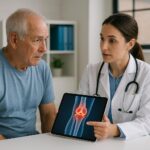
The patient journey starts with a thorough evaluation—history, physical exam, and imaging review—to define the injury’s structure and the athlete’s performance goals. Clinicians then discuss options—conservative care, regenerative injections (MSC, BMAC), or surgery—and design a personalized plan with clear timelines and measurable milestones. On procedure day, autologous harvest (if used) and image-guided injection are performed in a controlled setting, followed by immediate post-procedure protocols to manage inflammation. Rehabilitation progresses in stages from protected mobility to progressive loading and sport-specific conditioning, with scheduled follow-ups to track tissue response and functional gains. Clear communication at each step keeps expectations realistic and performance targets central to care.
Common side effects are typically local and self-limited—transient pain, swelling, and occasional bruising at harvest or injection sites—and usually resolve in days to a few weeks with conservative measures. Red flags that need clinician review include increasing redness, fever, unrelenting pain, or new neurologic symptoms—events that are uncommon but require prompt attention. Pre-procedure screening excludes conditions that could raise risk or compromise outcomes, such as active systemic infection or uncontrolled medical issues. Long-term adverse events are rare with autologous procedures performed by experienced teams; ongoing follow-up and adherence to the rehab plan are important to optimize safety and results.
After reviewing safety and the patient pathway, athletes commonly take the next step to schedule a consultation to determine candidacy and next steps with clear expectations.
NexGenEsis Healthcare’s Honolulu clinic offers localized, personalized, non-surgical regenerative care designed for athletes and active people. The team builds individualized plans informed by diagnostic imaging and performance goals, using image-guided injections to ensure precise delivery of MSC and BMAC therapies. The Honolulu practice combines a broad set of adjuncts—such as PRP, Shockwave, Class IV Laser, and A2M injections—to create multimodal protocols that speed symptom relief and support tissue repair. Their approach blends evidence-based clinical protocols with attention to local athlete needs and measurable milestones for return-to-play, delivered with a patient-centered, community-minded focus.
The clinic’s differentiators are comprehensive regenerative options and tailored recovery pathways that prioritize function and safety. The section below highlights what sets their approach apart.What Makes NexGenEsis’s Approach Unique for Sports Injury Recovery?
NexGenEsis organizes its Honolulu practice around priorities athletes care about: personalized protocols with clear milestones, a multidisciplinary menu of regenerative therapies, and local access to non-surgical solutions. The clinic reports strong outcomes in advanced stem cell cases and combines adjuncts like PRP, A2M injections, Shockwave, and Class IV Laser to optimize the tissue environment. This combination aims to reduce inflammation quickly, support structural healing, and enable earlier progression through sport-specific rehab while preserving tissue integrity over time. Athletes benefit from a coordinated plan that focuses on safe, measurable return-to-play results.
Scheduling starts with a complimentary phone consultation to discuss symptoms, review prior imaging, and set realistic recovery goals. For the call, athletes should have their injury history, recent imaging studies, and sport-specific demands ready—these details shape the treatment plan. The team will use the initial conversation to decide if an in-person evaluation is needed and to outline next steps such as diagnostic imaging, candidacy assessment, and a proposed regenerative plan. To request the free phone consultation, athletes can use the Honolulu clinic’s online location page or the practice’s Google Business Profile; the staff will then guide preparation and timelines for the visit.
This scheduling pathway turns informed interest into a structured care plan while keeping the athlete’s goals and safety front and center.
MSC (mesenchymal stem cell) therapy and BMAC (bone marrow aspirate concentrate) are both regenerative options with different sourcing and uses. MSC therapy uses a patient’s own mesenchymal cells from bone marrow or adipose tissue, focusing on their signaling and repair-supporting properties. BMAC is a concentrated mix of progenitor cells and growth factors taken from bone marrow and is often favored for cartilage and bone-related issues. Both aim to enhance healing; the choice depends on injury type and individual needs.
Results vary with injury type and patient factors. Generally, athletes may notice improvements in pain and function within 4 to 12 weeks after treatment. Early symptom relief can appear sooner, while larger functional gains develop over time as tissue responds and rehab progresses. Following a structured rehab plan is essential to maximize benefits and ensure a safe return to sport.
Yes. Contraindications include active infections, certain uncontrolled systemic diseases, and some malignancies—conditions that make the procedure unsafe or less likely to help. Patients with bleeding disorders or who are on anticoagulants may also face higher risk. Thorough medical screening is required to identify any issues and confirm that the therapy is appropriate and safe.
Rehabilitation is a critical part of recovery. A staged rehab program protects the treated tissue initially, then progresses to strength, flexibility, and sport-specific conditioning as healing allows. Rehab optimizes tissue loading, restores function, and reduces re-injury risk—making it essential to realize the full benefit of stem cell therapy.
Yes. Stem cell therapy is often useful for chronic injuries that haven’t responded to standard treatments—conditions like chronic tendinopathy, degenerative joint disease, and partial ligament tears. By addressing inflammation and promoting repair, regenerative treatments can improve pain and function, though outcomes vary by severity and injury duration, so individualized assessment is key.
Expect a comprehensive evaluation: review of medical history, a focused physical exam, and discussion of your injury and performance goals. The clinician will assess prior imaging and may recommend additional diagnostics to determine the best approach. The consult is an opportunity to ask questions, review risks and benefits, and outline a personalized recovery plan tailored to your sport and timeline.
Stem cell therapy gives athletes a practical, non-surgical option to speed recovery while protecting long-term tissue health. By harnessing the body’s natural repair processes, these treatments can deliver faster pain relief, improved function, and—when appropriate—fewer invasive procedures.
If you’re considering personalized treatment, NexGenEsis Healthcare in Honolulu offers tailored stem cell therapy consultations to assess candidacy and map recovery goals. Take the first step toward better performance and longevity.