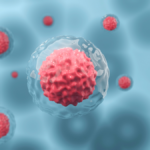
Managing chronic pain is a central part of care for many patients. At NexGenEsis, stem cell therapy has become an important option in our regenerative toolbox — a treatment that aims to support your body’s own healing rather than just mask symptoms. Below we explain how these therapies work, the conditions they may help, and what a patient can expect at NexGenEsis Healthcare, including safety and cost considerations.
Chronic pain affects millions and often reduces daily function and quality of life. When conventional approaches fail to provide sufficient relief, regenerative medicine offers an alternative path by targeting tissue damage and inflammation at their source. This article reviews the science behind stem cell approaches, the common conditions we treat, and the typical patient experience when choosing regenerative care.
Our expert team at NexGenEsis Healthcare in Columbus is here to guide you. Schedule a consultation to discuss personalized stem cell therapy options.
Stem cell therapy uses specialized cells to encourage repair and reduce inflammation in injured tissues. These cells can support regeneration by becoming different cell types or by releasing signaling factors that stimulate the body’s repair processes. The potential advantage for pain management is targeting the underlying tissue problem rather than only treating symptoms.
Stem cells contribute to healing in several ways: they modulate inflammation, release growth factors and cytokines, and support the rebuilding of damaged tissue. When placed near an injury, these cells can help improve conditions like osteoarthritis and degenerative disc disease by encouraging repair and reducing the inflammatory drivers of pain. Early studies show promise for cartilage healing and improved joint function, though larger, long-term clinical trials are still needed to fully define outcomes.
Mesenchymal stem cells (MSCs) are a commonly used cell type in regenerative medicine. They can be obtained from sources such as bone marrow or adipose (fat) tissue and are valued for their anti-inflammatory and tissue-supporting properties. MSCs are under study for joint and spine conditions and have shown benefit for some patients with joint pain and back pain, making them a focal point of current regenerative research.
A closer look at MSCs shows they can influence healing not only by becoming specialized cells, but also by releasing signaling molecules that direct repair at the injury site.
Researchers and clinicians are studying stem cell therapy for a range of chronic pain problems. By focusing on the biological drivers of pain, regenerative treatments offer options for patients who haven’t responded to standard care. That said, many applications remain investigational and are not yet the medical standard.
Knee osteoarthritis occurs when joint cartilage breaks down, causing pain and stiffness. Injecting MSCs into the joint may reduce inflammation and support cartilage repair. Some clinical reports show reduced pain and improved function after injections, but the evidence base is still evolving — larger, high-quality trials are needed to confirm long-term effectiveness and safety.
Systematic reviews and meta-analyses are continuing to evaluate how effective and safe MSC treatments are for knee osteoarthritis.
Degenerative disc disease and other spinal issues can cause persistent, disabling back pain. Injecting stem cells into or near affected discs aims to reduce inflammation and support tissue repair. Some patients report reduced pain and improved movement after treatment, but results vary and more clinical validation is required to determine which patients benefit most.
Preclinical and early clinical work points to regenerative potential in spinal conditions such as intervertebral disc degeneration, though research is ongoing.
At NexGenEsis Healthcare we design the patient journey to be clear, supportive, and individualized. From evaluation to follow-up, our team works with you to build a plan that fits your condition and recovery goals
Your path begins with a focused consultation and medical review to determine if regenerative therapy is appropriate. Treatments use minimally invasive injection techniques with attention to comfort. After the procedure, we provide recovery guidance and rehabilitation recommendations to help you get the most benefit. Regular follow-ups let us track progress and adjust the plan as needed.
Outcomes for stem cell therapy vary by condition and patient. Many people report meaningful pain reduction and improved function, though results are not guaranteed. Patient testimonials can highlight real experiences but are anecdotal; they should be considered alongside clinical studies and a discussion with your provider. We encourage realistic expectations and open conversation about potential benefits and limits.
Stem cell therapy is one option among several regenerative approaches for chronic pain. Comparing these treatments — their mechanisms, evidence, and practical considerations — helps patients choose the right path for their needs.
Platelet-rich plasma (PRP) and alpha-2-macroglobulin (A2M) injections are alternative regenerative therapies. PRP uses growth factors from your own blood to stimulate healing, while stem cell therapy uses living cells that can support tissue regeneration in multiple ways. That cellular versatility may make stem cell therapy a broader option for some conditions, though PRP currently has more established clinical data. A2M remains more experimental and works by inhibiting enzymes that degrade cartilage.
If you’re weighing regenerative choices, learning about A2M alpha-2-macroglobulin injections can be helpful. While investigational, A2M aims to protect cartilage by blocking destructive enzymes.
Shockwave therapy is sometimes used to complement stem cell treatments. This non-invasive option uses acoustic waves to stimulate healing. When paired with cell-based injections, shockwave therapy may improve circulation and support tissue recovery, which could enhance overall results for some patients — though more research is needed to define the best protocols.
Knowing the financial, safety, and regulatory context is essential before pursuing stem cell therapy. Below we outline common questions so you can discuss them with your provider.
Costs vary depending on the treatment plan and condition treated. We provide transparent pricing and discuss options during your initial consultation at NexGenEsis Healthcare so you understand expected costs before moving forward.
Stem cell therapy is not broadly FDA-approved for most pain conditions and is considered investigational in many applications. The FDA has approved limited stem cell uses, mainly hematopoietic stem cell transplants. Clinics offering stem cell treatments operate under specific regulatory frameworks; it’s important to choose reputable providers who follow strict medical standards. Possible risks include infection, immune reactions, and procedure-related complications. Discuss risks and benefits thoroughly with your care team to make an informed decision.
In summary, stem cell therapy is a developing, promising approach to treating some forms of chronic pain by addressing tissue damage and inflammation. Understanding the science, possible benefits, and limits helps you make the right choice for your care. NexGenEsis Healthcare is dedicated to offering non-surgical regenerative options designed to support natural healing and improve quality of life.
While many patients tolerate stem cell treatments well, side effects can occur. Common short-term effects include pain at the injection site, swelling, and local inflammation. More serious but rare risks include infection, immune reactions, or other procedure-related complications. Because many uses remain investigational, we recommend discussing all potential risks and safeguards with your provider before proceeding.
Results vary by patient and condition. Some people notice improvement within weeks; others may take several months to experience meaningful change. Factors such as condition severity, overall health, and following post-treatment guidance influence recovery. Regular follow-up appointments help monitor progress and guide any adjustments.
There are no universal age cutoffs, but eligibility depends on overall health and the specific medical condition. Older adults may have additional health considerations, and younger patients are evaluated case-by-case. A comprehensive consultation is essential to determine whether stem cell therapy is appropriate for an individual.
Yes. Stem cell therapy is often part of a combined care plan that may include physical therapy, medications, or adjunctive treatments like shockwave therapy. A coordinated approach can enhance healing and function, but it’s important to plan combinations with your provider to ensure safety and the best possible outcome.
Autologous therapy uses the patient’s own cells, which lowers the risk of immune rejection. Allogeneic therapy uses donor cells and may be considered when a patient’s own cells are not suitable. The choice depends on the clinical situation, cell availability, and treatment goals; your care team will recommend the best approach for you.
Preparation typically includes a thorough medical evaluation, review of medications and supplements (some may need to be paused), and following any pre-procedure instructions from your care team. Staying well-hydrated and following dietary or activity guidance before the procedure can help ensure the best conditions for treatment.
If you notice worsening pain, increased swelling, fever, or other concerning symptoms after treatment, contact your healthcare provider promptly. Early communication allows timely evaluation and treatment of complications. Keep detailed notes about symptoms and any changes, and attend scheduled follow-ups so your team can support your recovery.
Stem cell therapy represents an evolving option in pain management that focuses on promoting the body’s natural repair processes. By learning how these treatments work and discussing realistic expectations with your provider, you can decide whether regenerative care fits your needs. If you’re considering stem cell therapy, explore options at NexGenEsis Healthcare — we’ll work with you to find a personalized plan that supports recovery and quality of life.
Discover why patients trust NexGenEsis Healthcare Columbus for advanced regenerative treatments. Read our reviews and connect with us today.