Sports injuries are part of athletic life, but they don’t have to mean long surgeries or extended time on the sidelines. Non‑surgical options are increasingly effective alternatives that can shorten recovery, lower complication risk, and support lasting healing. Below, we explain the leading regenerative approaches and how they help athletes—from weekend warriors to competitive players—get back to the activities they love. We’ll also highlight how clinics like NexGenEsis Healthcare in San Antonio build individualized plans to optimize recovery.
Connect with our expert stem cell doctors at NexGenEsis Healthcare San Antonio to discuss personalized treatment options for your sports injury.
Non‑surgical care covers several advanced, clinic‑based therapies that aim to repair tissue and reduce pain without invasive procedures. These treatments focus on stimulating the body’s own repair systems so athletes can return to play more safely and quickly. Common non‑surgical options include:
Each option is selected and tailored based on the athlete’s injury, goals, and overall health for a targeted recovery plan.
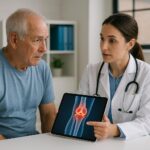
Research in regenerative medicine continues to expand the range of outpatient, non‑surgical choices for conditions like knee osteoarthritis.
Platelet‑Rich Plasma (PRP) uses a patient’s own blood to concentrate platelets—cells rich in growth factors that jump‑start healing. After a small blood draw and processing, the PRP is injected into the injured tendon, ligament, or joint. Those growth factors encourage cell activity and collagen production, which can reduce healing time and improve tissue quality. Clinical experience shows PRP can be especially useful for tendon and ligament injuries where natural repair is slow.
Clinical evidence supports PRP’s role in enhancing tissue repair and shortening recovery for certain musculoskeletal injuries.
Stem cell therapy aims to harness the regenerative capacity of specialized cells to support repair of cartilage, muscle, and other damaged tissues. Because stem cells can develop into multiple tissue types, they’re being explored for osteoarthritis, tendon injuries, and other sports‑related problems. Some case reports and early studies show faster recovery and functional gains, though larger controlled trials are still needed to define optimal protocols and long‑term outcomes. The minimally invasive delivery also helps athletes avoid many risks associated with surgery.
Stem cell applications in sports medicine are promising but remain an evolving area of study as researchers clarify mechanisms and outcomes.
Shockwave therapy is a non‑invasive treatment that directs focused sound waves into injured tissue to increase blood flow, reduce pain, and stimulate regeneration. It’s especially effective for chronic tendinopathies and plantar fasciitis—conditions common in athletes. By promoting collagen formation and clearing micro‑injury, shockwave can reduce symptoms and improve function over a series of sessions.
Shockwave delivers controlled microtrauma that activates a healing cascade: local circulation improves, inflammatory mediators are modulated, and new collagen is laid down. Patients typically receive multiple short sessions and report gradual pain relief paired with better range of motion and strength as tissue quality improves.
A2M injections are an option for athletes with joint pain related to cartilage breakdown, such as early osteoarthritis. Alpha‑2‑macroglobulin works by inhibiting destructive enzymes that degrade cartilage, which may slow progressive damage and ease symptoms. Many patients choose A2M when they want to delay or avoid surgery; while some experience meaningful relief, ongoing research will clarify long‑term benefits.
Non‑surgical therapies are effective for many common sports injuries—especially those involving soft tissue, inflammation, or joint degeneration. Typical conditions we treat include:
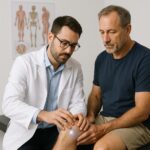
Knee and shoulder issues are usually best approached with a combination of regenerative treatments, targeted injections, and rehabilitation. For example, PRP can calm inflammation and promote tissue repair in the knee, while shockwave therapy can relieve shoulder tendon pain and improve healing. A2M injections offer another non‑surgical tool to protect joint tissue when appropriate. This multimodal approach helps athletes avoid surgery when safe and practical.
Ankle sprains and tendonitis often respond well to biologic injections plus progressive rehab. PRP can reduce swelling and accelerate tissue repair in sprains, and shockwave therapy stimulates regeneration in chronic tendinopathies. Both options are minimally invasive and aim to restore function while minimizing time away from sport.
Choosing non‑surgical methods offers clear advantages for many athletes. The most important benefits are:
By enhancing the body’s repair mechanisms (through PRP, stem cells, or shockwave), we can often shorten healing time and reduce the need for prolonged rehab. Because these procedures are less invasive, infections and other surgical complications are less likely, which helps athletes resume training sooner with confidence.
Non‑surgical regimens concentrate the body’s biological tools—platelets, stem cells, anti‑inflammatory proteins—and deliver them where they’re needed most. That targeted approach ignites cellular activity, promotes collagen formation, and supports tissue remodeling—so recovery progresses on the body’s natural timeline, but more efficiently.
NexGenEsis Healthcare in San Antonio focuses on tailored, evidence‑informed plans that match each athlete’s injury, lifestyle, and goals. We assess injury severity, prior treatments, and performance targets to design a personalized mix of biologic therapies, injections, and rehabilitation that maximizes the chance of a strong recovery.
Personalization matters because no two injuries—or athletes—are the same. Our clinicians evaluate imaging, movement patterns, and medical history to choose the right treatment combination and timing. That precision helps reduce unnecessary procedures and gets athletes back to full activity more reliably.
Patient outcomes at NexGenEsis reflect the benefits of individualized care. Many athletes report quicker pain relief, faster return to sport, and improved performance after combined regenerative and rehab programs. These success stories illustrate how targeted, non‑surgical care can deliver practical, real‑world benefits.
Faster healing and long‑term resilience come from combining clinical treatments with smart lifestyle choices. A holistic plan supports immediate recovery and lowers the chance of recurrence.
Physical therapy, anti‑inflammatory nutrition, and proper hydration are practical companions to regenerative treatments. Rehab focuses on restoring strength and mobility, nutrition reduces systemic inflammation, and hydration supports tissue repair—together they speed progress and support a safer return to sport.
To protect joints over time, maintain balanced strength training, practice correct movement mechanics, and schedule routine follow‑ups or preventive therapies. Building muscular support around vulnerable joints and addressing technique issues reduces reinjury risk and helps athletes enjoy longer, healthier careers.
Most non‑surgical options like PRP and stem cell injections are well tolerated. Common, short‑lived effects include mild pain or swelling at the injection site and occasional bruising. Rare complications—such as infection or an unexpected reaction—are possible, so we review risks and safety with every patient before treatment.
Response times vary by treatment and injury. Some patients notice improvement within a few weeks after PRP or shockwave therapy, but full recovery often takes several months—especially for more severe damage. Regular follow‑ups help us track progress and adjust the plan as needed.
Non‑surgical therapies are effective for many soft tissue injuries, tendon problems, and early joint degeneration. However, complete ligament ruptures, significant fractures, and certain structural problems may still require surgery. A thorough medical evaluation determines the best course of action for each case.
Yes. Combining biologic injections with physical therapy, bracing, or targeted rehabilitation often produces better outcomes than a single approach. Nutrition and lifestyle changes also support healing. Our team coordinates multidisciplinary care to give athletes the best chance for recovery.
Physical therapy is essential. It rebuilds strength, restores flexibility, corrects movement patterns, and reduces re‑injury risk. When paired with regenerative treatments, PT helps translate biological healing into functional, sport‑specific performance.
Choose providers who specialize in sports medicine and regenerative care. A comprehensive evaluation—including imaging when appropriate—helps identify the most suitable treatments. Discuss goals, timelines, and evidence for each option so you can make informed decisions aligned with your recovery priorities.
Non‑surgical solutions—like PRP, stem cell therapy, shockwave, and A2M injections—offer powerful ways to speed healing, reduce risk, and preserve long‑term function. When combined with targeted rehabilitation and a personalized plan, these options help athletes return to sport with confidence. If you’re exploring alternatives to surgery, NexGenEsis Healthcare in San Antonio can evaluate your injury and recommend a plan built around your goals.
Discover how our San Antonio stem cell doctors can help you get back in the game. Read patient reviews and learn more about our approach.