Stem cell therapy offers a targeted, biologic option to reduce nerve pain and support recovery — and patients in Clearwater now have local access to non-surgical regenerative care. This article explains what stem cell and related biologic treatments are, how autologous approaches support nerve repair, which nerve problems respond best, and what outcomes typically look like. Many people with peripheral neuropathy, diabetic neuropathy, sciatica, or nerve entrapment want alternatives to long medication courses or invasive surgery; regenerative medicine focuses on the underlying injury by reducing inflammation and promoting nerve-supporting signals. Below you’ll find clear explanations of mechanisms, practical candidacy signs, a step-by-step treatment timeline, safety and regulatory context, and a local example of how a Clearwater clinic delivers personalized care. At the end, we explain how to request a free phone consultation to review candidacy and next steps.
Stem cell therapy for nerve damage is a type of regenerative medicine that uses biologic materials—most often a patient’s own mesenchymal stem cells or cell-derived products—to modify inflammation, release neurotrophic factors, and support repair of axons and myelin. These actions reduce harmful inflammation, encourage new blood vessel growth to improve local circulation, and send paracrine signals that promote remyelination and axonal sprouting. The clinical aim is symptom relief plus measurable improvements in nerve conduction and function where possible. Because these processes take time, many patients see gradual gains over weeks to months rather than immediate cures. The next section looks more closely at how autologous cells work.
Autologous stem cells, taken from a patient’s own fat or bone marrow, support nerve healing largely through paracrine effects rather than by replacing nerve cells directly. Mesenchymal stem cells (MSCs) release growth factors, cytokines, and exosomes that quiet inflammation, recruit reparative cells, and stimulate Schwann cells to remyelinate damaged axons. Using a patient’s tissue lowers immune-rejection risk and can simplify regulatory considerations when minimally processed biologics are used. Adipose-derived treatments typically provide higher cell yields, while bone marrow can contain different progenitor populations; clinicians select source and processing based on your diagnosis and treatment goals. That technical background helps explain which nerve conditions are most likely to benefit.
Stem cell and related biologic options may be considered for several peripheral nerve conditions, most commonly peripheral neuropathy (including diabetic neuropathy), radiculopathy such as sciatica, and selected nerve entrapments when conservative care hasn’t helped. Useful diagnostic clues include chronic neuropathic pain, measurable sensory changes, motor weakness or gait problems, and supportive nerve conduction or imaging results; these indicators help predict likely responsiveness. Conditions with active inflammation or ischemic injury often show the best short-term symptom improvement, while long-standing, complete nerve transections usually need surgical repair. Even when surgery is recommended, regenerative treatments can sometimes be offered as adjuncts or temporizing measures as part of a broader plan.
Non-surgical regenerative care centers on personalized biologic choices and careful neurological assessment to improve safety and outcomes. NexGenEsis Healthcare in Clearwater is a local regenerative medicine clinic that prioritizes non-surgical, non-addictive options and individualized plans. The team—led by a clinical director and supported by physicians and a nurse practitioner—coordinates evaluation and treatment planning. Core services include peripheral neuropathy management and joint therapies using autologous biologics and modern non-surgical techniques. Prospective patients can arrange a free phone consultation to review symptoms and candidacy. In practice, this means coordinated diagnostics, tailored harvest and processing choices, and an integrated plan that pairs biologic injections with rehabilitation when appropriate.
Personalized regenerative therapy works because it matches the biologic product, dose, and rehabilitation plan to a patient’s diagnosis, symptom timeline, and functional goals. Clinicians document symptom patterns, prior treatments, and objective tests, then select harvest source (adipose or bone marrow), processing method (for example concentration or isolation techniques), and an image-guided injection strategy. Adjusting cell concentration and adding targeted physical therapy increases the chance of meaningful improvement in sensation, function, and pain control. This tailored approach avoids unnecessary procedures and sets realistic expectations for follow-up and, if needed, repeat treatments.
NexGenEsis Healthcare’s Clearwater team combines clinical leadership and hands-on clinicians who manage regenerative care: Nathan Millhouse is the Clinical Director; Dr. Katherine Rodriguez and Dr. Gilberto Alvarez participate in evaluations and procedures; and Linda Wardlaw, a Nurse Practitioner, supports clinical management and follow-up. This multidisciplinary setup promotes thorough assessment, procedural safety, and continuity across consultation, treatment, and rehabilitation. Prospective patients are encouraged to review staff bios and ask about credentials during the free phone consultation so they feel confident about techniques and safety protocols. Knowing who will guide your care helps you make an informed choice about regenerative options.
Stem cell and related biologic therapies aim to reduce neuropathic pain, restore sensation, and improve mobility by addressing inflammation, supporting nerve repair, and improving local circulation. Potential benefits include less reliance on opioids or systemic pain medications, better gait and balance, and functional gains such as increased walking tolerance or fewer paresthesias. Timelines vary, with many patients noticing changes over weeks to months. Clinicians weigh expected benefits against risks, and regenerative options are often part of a multimodal plan that includes physical therapy. The comparison below summarizes common regenerative approaches, their mechanisms, and typical clinical advantages to help guide treatment choices.
Regenerative therapies compared by mechanism and clinical benefit:
This side-by-side view highlights how each biologic contributes different repair mechanisms, helping clinicians tailor treatment to the clinical picture and recovery goals.
These potential benefits explain why regenerative approaches are considered when standard conservative care hasn’t delivered the desired results. The next section outlines the typical procedural pathway.
A clear, stepwise treatment process improves safety and predictability. Patients typically move through consultation and neurological assessment, targeted diagnostics, cell harvesting (for autologous approaches), processing, image-guided injection, and staged follow-up with rehabilitation. This sequence confirms candidacy, selects the optimal biologic and delivery method, and tracks recovery milestones objectively. Below is a concise timeline followed by a practical mapping of each step to expected outcomes and timing. After that, we describe how NexGenEsis Healthcare coordinates these steps locally in Clearwater.
Numbered treatment timeline:
This timeline gives a practical roadmap for patients considering regenerative therapy and leads into a more detailed table of expected outcomes by phase.
Procedural steps, expected outcomes, and typical timelines:
With those steps clarified, here’s how a Clearwater clinic organizes access and logistics for patients pursuing care.
NexGenEsis Healthcare’s patient journey in Clearwater follows this structured pathway and includes administrative support to simplify planning. The clinic offers a free phone consultation to collect history and determine whether an in-office neurological exam and testing are needed. When patients qualify for autologous therapy, the clinic coordinates harvest and same-day processing if appropriate, schedules an image-guided injection, and outlines a follow-up and rehabilitation plan. For local patients, practical details include the Clearwater address and phone number for scheduling the free phone consultation; discussing logistics and timelines during that call helps set expectations before any in-person visit.
Safety depends on sterile technique, careful patient selection, experienced clinicians, and open discussion about the regulatory status of the products used. Short-term side effects can include soreness, localized swelling, or a transient increase in neuropathic sensations as repair signals change the local environment; clinics reduce risk through sterile technique and clear post-procedure instructions. Regulatory nuance matters: many autologous procedures use a patient’s own cells and are treated differently than mass-produced, FDA-approved biologics. Patients should discuss the exact product or processing method used during consultation. The table below summarizes regulatory context and common safety points for each therapy type.
Common risks, mitigation, and recommendations:
Ask about processing techniques, sterility protocols, and any product approvals during your consultation so you understand safety practices and regulatory context before proceeding.
Most side effects are mild and temporary, such as soreness at the harvest site, local swelling or bruising, and short-lived increases in neuropathic sensations as biologic signaling begins. Serious complications are uncommon when trained clinicians use proper sterile technique and image guidance, but potential risks include infection, bleeding, or nerve irritation. Mitigation includes pre-procedure screening, informed consent, and scheduled follow-up. Clinics should give clear post-procedure instructions and a plan for early management of any adverse events. Patients with active infections or uncontrolled medical conditions may need additional evaluation before proceeding.
The regulatory landscape separates FDA-approved biologic products from clinical procedures that use a patient’s own tissues with minimal manipulation. Many autologous procedures are treated as clinical applications rather than approvals for specific indications. Patients should confirm whether any commercial product, processing device, or off-the-shelf biologic has independent regulatory clearance for a defined indication, and clinicians should discuss product names, processing steps, and relevant regulatory details during consultation. Because guidance and evidence evolve, asking your treating team about current regulatory context and published studies is a reasonable part of shared decision-making. For definitive information about approvals, request specifics during the free phone consultation.
People seeking regenerative care often want clear outcome data and realistic timelines. NexGenEsis Healthcare encourages prospective patients to review anonymized case summaries and outcome tracking during the free phone consultation so they can understand common recovery paths. The clinic notes that results vary by condition and duration, but coordinated plans that combine autologous biologics with rehabilitation have produced measurable improvements in pain and function for selected patients. Instead of broad promises, NexGenEsis focuses on individualized assessment and transparent follow-up. Prospective patients are invited to request a phone consultation to see whether the clinic’s approach matches their goals.

NexGenEsis Healthcare documents cases where patients with inflammatory or ischemic peripheral neuropathy experienced symptom improvement after personalized autologous or adjunct biologic therapy combined with rehabilitation, with functional gains tracked over weeks to months. Case reports typically include baseline symptoms, diagnostic findings, the chosen biologic strategy, and follow-up functional measures, while emphasizing that individual results vary and no outcome is guaranteed. Rather than public testimonials, the clinic offers anonymized summaries and objective data during consultation so patients can review examples most relevant to their condition.
Scheduling a free phone consultation is the best first step to determine candidacy and plan diagnostics. Have a brief symptom summary, a list of prior treatments, and any recent imaging or nerve studies available to make the call more productive. To arrange the consultation, contact NexGenEsis Healthcare’s Clearwater location by phone at (727) 221-9121 or visit the clinic at 501 S. Lincoln Ave., Suite 11, Clearwater, FL 33756 to request an appointment or follow-up. During the call you’ll provide a medical history, receive preliminary triage, and get guidance on whether an in-person neurological exam or further testing is needed. Bringing prior imaging, medication lists, and a short timeline of symptoms will help the team design an individualized assessment plan.
Checklist to prepare for the consultation:
This article has reviewed mechanisms, indications, expected benefits, procedural steps, safety considerations, and how NexGenEsis Healthcare applies personalized autologous regenerative approaches locally in Clearwater. If you’re considering regenerative options for nerve damage, a free phone consultation can clarify whether these therapies are appropriate and outline transparent next steps.
Recovery timelines vary. Many patients notice early changes within a few weeks, with more substantial improvements often appearing between 4 and 12 weeks. Severity of the nerve injury, the specific diagnosis, and overall health all influence progress. Regular follow-up helps monitor recovery and adjust rehabilitation as needed.
Yes. To support recovery, we typically recommend appropriate, gradual physical activity, a balanced diet with anti-inflammatory choices, good hydration, and avoiding smoking or heavy alcohol use. Following prescribed rehabilitation exercises and other clinician-recommended measures will help maximize therapy benefits.
Stem cell therapy aims to address underlying biologic processes that impair nerve health, rather than only masking symptoms. Traditional treatments like medications or surgery may relieve pain or correct structural problems, while regenerative approaches work to reduce inflammation and promote repair. Effectiveness varies by condition, so discuss options with your provider to determine the best plan for you.
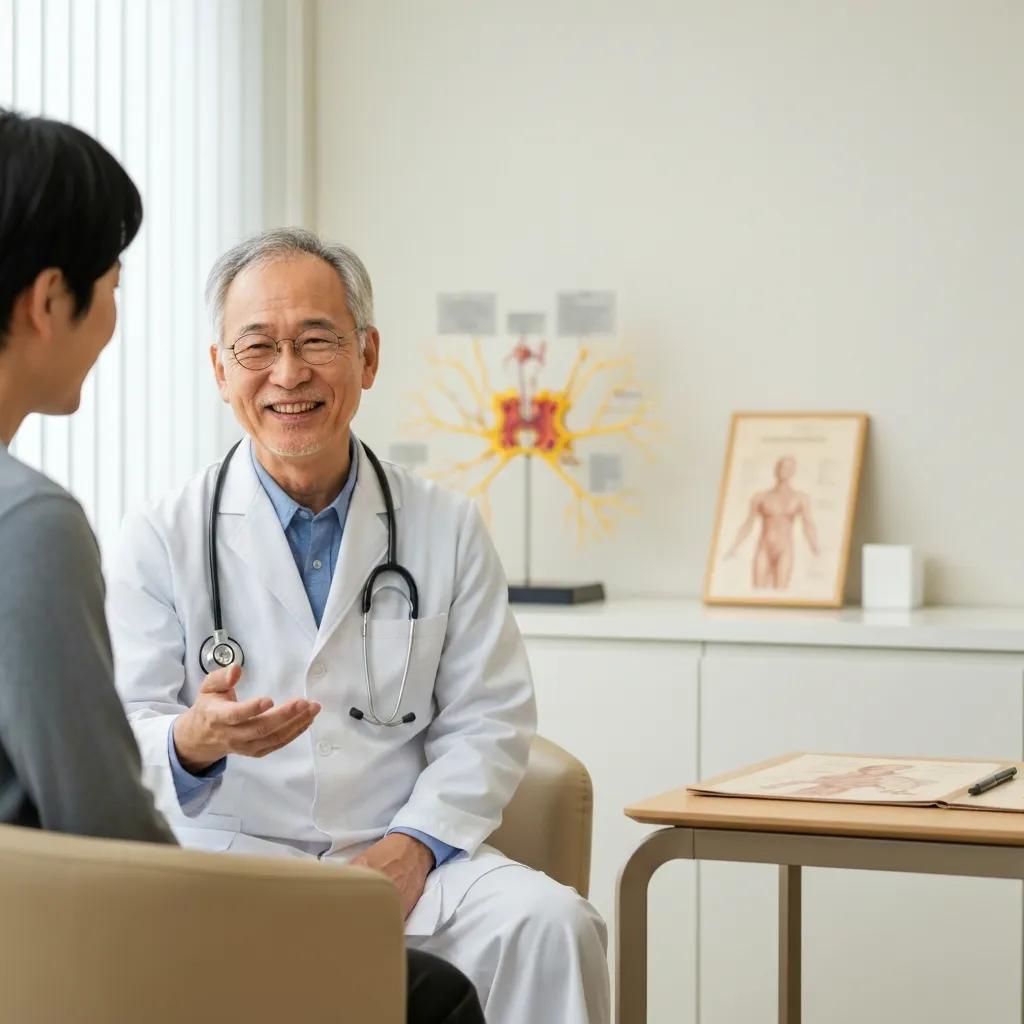
Your initial consultation includes a detailed medical history, symptom review, and a neurological exam. The clinician may recommend imaging or nerve conduction studies to assess the extent and location of nerve injury. That assessment determines candidacy and helps shape a personalized treatment plan.
Yes. Regenerative therapy is often combined with physical therapy, pain management strategies, and lifestyle changes to improve outcomes. Coordinating multiple approaches lets clinicians address both symptoms and function while optimizing recovery.
Long-term outcomes vary by patient and condition. Many individuals report sustained improvements in pain, sensation, and mobility, but ongoing follow-up is important to evaluate durability and make plan adjustments. Research continues to refine our understanding of long-term effects, and clinicians share current evidence during consultation.
Stem cell therapy can offer meaningful reductions in pain and improvements in sensation and mobility for selected nerve conditions. This personalized, regenerative approach is an option for people seeking alternatives to traditional pain management or surgery. If you’d like to explore whether regenerative care is right for you, schedule a free phone consultation with the NexGenEsis Healthcare team to discuss your history and next steps toward better nerve health.