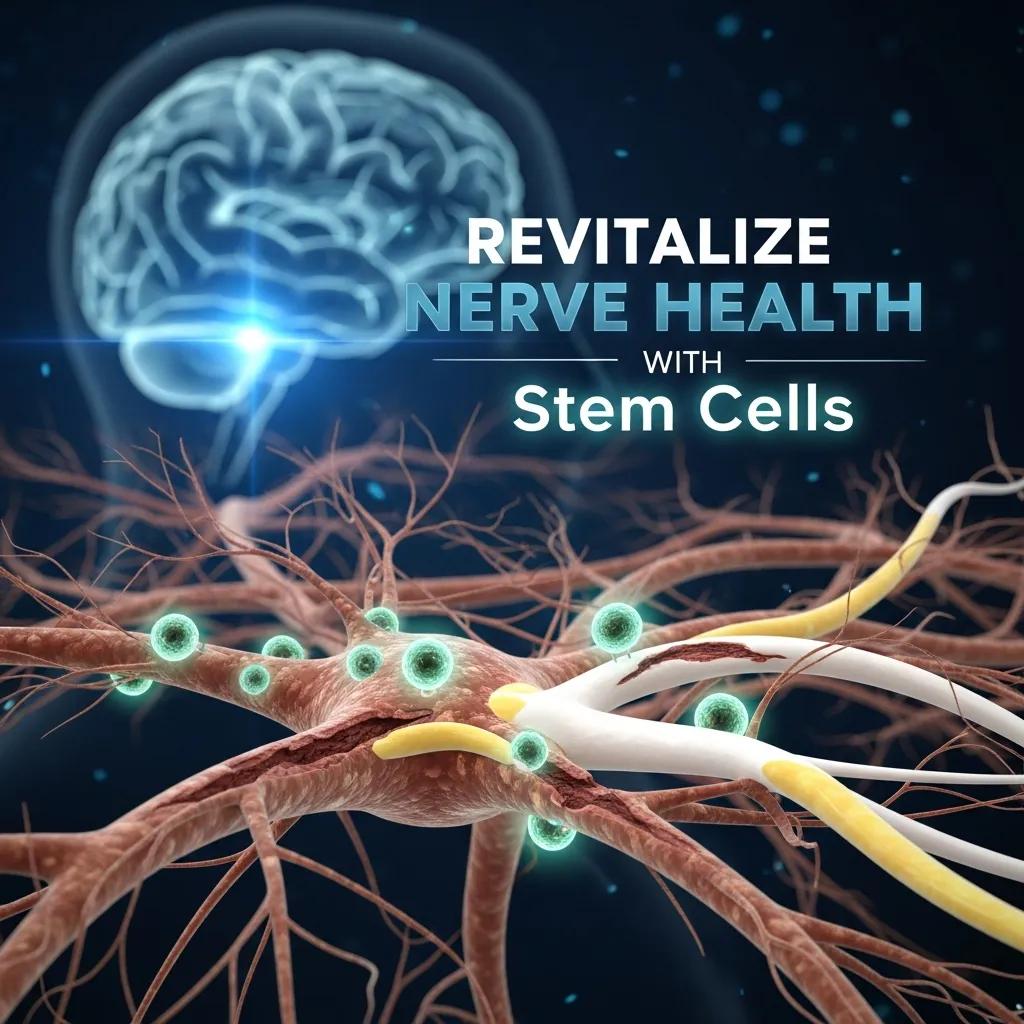
Stem cell therapy has emerged as a groundbreaking approach in the field of regenerative medicine, particularly for restoring nerve health and alleviating chronic nerve pain. This innovative treatment harnesses the body’s natural healing mechanisms to repair damaged nerve tissues, offering hope to those suffering from debilitating conditions. In this article, we will explore the mechanisms behind stem cell therapy , its benefits and risks, and how it compares to other non-surgical treatments. Additionally, we will discuss the recovery process and recent research findings that highlight the effectiveness of this therapy. By the end, you will have a comprehensive understanding of how stem cell therapy can be a viable option for nerve health restoration.
Ready to explore how stem cell therapy can improve your nerve health? Schedule a consultation with our expert stem cell doctor at NexGenesis Healthcare Columbus to receive personalized care tailored to your needs.
Stem cell therapy is a medical treatment that utilizes stem cells to promote the repair and regeneration of damaged tissues, including nerve tissues. This therapy works by introducing stem cells into the body, where they can differentiate into various cell types and release growth factors that facilitate healing. The primary benefit of stem cell therapy lies in its ability to regenerate nerve tissues, which is crucial for restoring function and alleviating pain.
Stem cells play a vital role in nerve repair through several mechanisms. They can differentiate into neurons and glial cells, which are essential for nerve function. Additionally, stem cells release neurotrophic factors that support the survival and growth of existing nerve cells. This process not only aids in the regeneration of damaged nerves but also enhances the overall health of the nervous system.
Further research supports the role of stem cells in promoting nerve regeneration through the secretion of neurotrophic factors.
The treatment process for nerve damage using stem cell therapy typically involves the extraction of stem cells from the patient’s own body, often from adipose tissue or bone marrow. These cells are then processed and injected into the affected area. Patients can expect improvements in pain levels and mobility, with many reporting enhanced quality of life following treatment. Case studies have shown that individuals with chronic nerve pain have experienced relief and functional recovery after undergoing stem cell therapy.
A recent case report further illustrates the potential of specific stem cell types, such as umbilical cord-derived mesenchymal stem cells, in facilitating functional recovery from nerve injuries.
Stem cell therapy offers numerous advantages for individuals suffering from nerve-related issues. However, it is essential to consider both the benefits and potential risks associated with this treatment.
While stem cell therapy is generally considered safe, there are potential side effects to be aware of. Common side effects may include temporary discomfort at the injection site, swelling, or mild inflammation. Long-term safety is still being studied, and patients should be monitored closely during the recovery process to ensure optimal outcomes.
This table illustrates the key benefits of stem cell therapy, highlighting its potential to improve the lives of those suffering from nerve pain.
When considering treatment options for nerve pain, it is essential to compare stem cell therapy with other regenerative treatments such as PRP (Platelet-Rich Plasma) therapy and shockwave therapy.
Stem cell therapy differs from PRP and shockwave therapies in its approach and mechanisms. While PRP therapy utilizes growth factors derived from the patient’s blood to promote healing, stem cell therapy directly introduces cells capable of differentiating into nerve tissues. Shockwave therapy, on the other hand, uses acoustic waves to stimulate healing but does not involve cellular regeneration. Each treatment has its unique benefits, and the choice often depends on the specific condition and patient preferences.
Patients should consider non-surgical treatments like stem cell therapy when experiencing chronic nerve pain that has not responded to conventional therapies. Consulting with a healthcare provider can help determine the most appropriate treatment based on individual needs and medical history.
The broader landscape of non-surgical approaches for chronic pain has been extensively reviewed, providing context for treatments like stem cell therapy.
Understanding the recovery process is crucial for patients considering stem cell therapy for nerve damage.
The recovery timeline after stem cell therapy can vary, but many patients begin to notice improvements within a few weeks. Full recovery may take several months, during which patients are advised to follow specific aftercare guidelines, including physical therapy and regular follow-up appointments to monitor progress.
Recent studies have shed light on the efficacy of stem cell therapy for nerve restoration, providing valuable insights into its potential benefits.
Clinical trials and studies have demonstrated promising results, indicating that stem cell therapy can significantly improve nerve function and reduce pain in patients with chronic nerve conditions. These studies highlight the therapy’s potential as a leading option in regenerative medicine, although more research is needed to fully establish long-term efficacy and safety.
Numerous patients have shared their success stories following stem cell therapy, reporting improvements in their quality of life. Experts in the field emphasize the importance of ongoing research to further validate these findings and refine treatment protocols.
For those interested in exploring stem cell therapy, NexGenesis Healthcare offers personalized treatment plans tailored to individual needs.
The consultation process at NexGenesis Healthcare begins with a comprehensive assessment to determine the most suitable treatment options. Patients will receive a tailored plan that addresses their specific conditions and health goals.
NexGenesis Healthcare also emphasizes the integration of stem cell therapy with complementary treatments, such as physical therapy and nutritional support, to enhance overall treatment outcomes. This holistic approach ensures that patients receive comprehensive care throughout their recovery journey.
Additionally, shockwave therapy is another treatment option available at NexGenesis Healthcare. This non-invasive procedure uses acoustic waves to stimulate healing and reduce pain.
In nerve therapy, the most commonly used types of stem cells include mesenchymal stem cells (MSCs) derived from sources like bone marrow, adipose tissue, and umbilical cord tissue. These cells are favored for their ability to differentiate into various cell types, including neurons and glial cells, which are essential for nerve function. Additionally, they secrete neurotrophic factors that promote healing and regeneration of damaged nerve tissues, making them a promising option for treating chronic nerve pain and injuries.
Patients may begin to notice improvements in their condition within a few weeks after undergoing stem cell therapy. However, the full recovery process can take several months, depending on the severity of the nerve damage and individual healing responses. Patients need to adhere to aftercare guidelines, including physical therapy and follow-up appointments, to maximize treatment outcomes and monitor progress throughout the recovery period.
While there are no strict age restrictions for receiving stem cell therapy, the suitability of the treatment often depends on the patient’s overall health and specific medical conditions rather than age alone. Older patients may still benefit from stem cell therapy, but a thorough evaluation by a healthcare provider is necessary to assess individual risks and potential benefits. Each case is unique, and personalized treatment plans are developed based on the patient’s health status and treatment goals.
Yes, stem cell therapy can be effectively combined with other treatments to enhance overall outcomes. For instance, integrating physical therapy, nutritional support, and pain management strategies can provide a more comprehensive approach to recovery. This holistic treatment plan allows for addressing multiple aspects of a patient’s health, potentially leading to improved mobility, pain relief, and overall quality of life. Consulting with a healthcare provider can help determine the best combination of therapies for individual needs.
During the stem cell therapy procedure, patients can expect a minimally invasive process. Initially, stem cells are harvested from the patient’s body, typically from adipose tissue or bone marrow. After processing, the cells are injected into the affected area. The procedure usually takes a few hours, and patients may experience mild discomfort at the injection site. Post-procedure, patients are advised to follow specific aftercare guidelines to support recovery and monitor any side effects.
Insurance coverage for stem cell therapy varies widely depending on the provider and the specific treatment being administered. Many insurance plans may not cover experimental or non-FDA-approved treatments, which can include certain types of stem cell therapies. It is crucial for patients to check with their insurance provider to understand their coverage options and any out-of-pocket costs associated with the therapy. Discussing financial considerations with the healthcare provider can also help clarify potential expenses.
Stem cell therapy presents a revolutionary approach to restoring nerve health and alleviating chronic pain, offering significant benefits such as pain relief and improved mobility. By harnessing the body’s natural healing processes, this minimally invasive treatment can enhance the quality of life for many patients. For those considering this innovative option, consulting with a healthcare provider can help determine the best personalized treatment plan. Discover how stem cell therapy can transform your nerve health journey. Connect with NexGenesis Healthcare Columbus Stem Cell Doctor.